The short answer: your teeth may look yellow even with excellent brushing because tooth color is not determined by cleanliness alone. Brushing removes plaque, food debris, and some external stains. It cannot make naturally warm dentin whiter, restore enamel that has become thinner, or erase color that developed inside the tooth.
That distinction matters. A healthy smile can be ivory, cream, or softly yellow — and a very white smile is not automatically a healthier one. Before reaching for a stronger toothpaste or another whitening kit, it helps to identify where the color is coming from.
1. Your natural dentin may be showing through
Enamel, the hard outer layer of a tooth, is not solid white paint. It is naturally translucent. Beneath it sits dentin, a living layer with a warmer yellow tone. The thinner or more translucent your enamel is, the more dentin influences what you see in the mirror.
Genetics play a role in enamel thickness and natural shade, which is why two people with equally healthy habits can have very different tooth colors. Canines also tend to look slightly warmer than front teeth because they contain more dentin. This is normal anatomy, not a brushing failure.
Brushing is essential for health, but it cannot change the anatomy beneath your enamel. The first step is deciding whether we are seeing stain, natural color, or a change that needs attention. Dr. Min Hee Oh
2. Brushing removes plaque — not every stain
Coffee, tea, red wine, dark sauces, and tobacco contain pigments that can attach to the tooth surface over time. Daily brushing helps, but pigments can settle into microscopic irregularities in enamel or collect in hardened tartar that a toothbrush cannot remove.
If the color is concentrated near the gumline or between teeth, a professional cleaning may make a noticeable difference. It removes tartar and surface deposits first, giving us a clear view of your actual tooth shade before discussing whitening.
3. Enamel changes with time and wear
Teeth commonly look warmer with age. Years of normal wear can make enamel thinner, allowing more dentin to show through. Acid exposure from frequent citrus, soda, reflux, or certain habits can also contribute to enamel erosion.
This is why scrubbing harder can backfire. Excessive pressure or rough, highly abrasive DIY products may wear the very enamel that makes teeth look brighter. Use a soft-bristled brush, gentle pressure, and fluoride toothpaste rather than trying to polish color away.
4. Some color begins inside the tooth
Intrinsic discoloration develops within enamel or dentin. Possible causes include dental trauma, tooth development, certain medications taken while teeth were forming, or changes inside a tooth after its nerve has been injured. These colors may appear yellow, brown, or gray and will not brush away.
One tooth becoming noticeably darker than its neighbors deserves an examination, especially after an injury. Whitening may not be the first or only step; the tooth should be checked for health before its appearance is treated.
What your color pattern may be telling you
| What you notice | A possible explanation | Helpful first step |
|---|---|---|
| Even, warm ivory shade | Natural dentin showing through enamel | Shade evaluation; whitening only if desired |
| Stain near gums or between teeth | Surface stain or tartar | Professional cleaning |
| One tooth is darker | Past trauma or an internal tooth change | Dental examination and imaging if indicated |
| White, brown, or patchy areas | Developmental change, demineralization, or decay | Diagnosis before cosmetic treatment |
| Crowns or fillings look different | Restorations do not whiten like natural enamel | Plan whitening before shade-matching restorations |
This guide is educational, not a diagnosis. Tooth color needs to be evaluated together with enamel condition, gum health, existing restorations, symptoms, and your goals.
What actually helps — and what does not
- A professional cleaning removes tartar and many external stains. It does not bleach the natural shade of enamel or dentin.
- Whitening toothpaste may improve surface stain. It generally does not change deeper intrinsic color; choose a reputable, non-abrasive product and follow its directions.
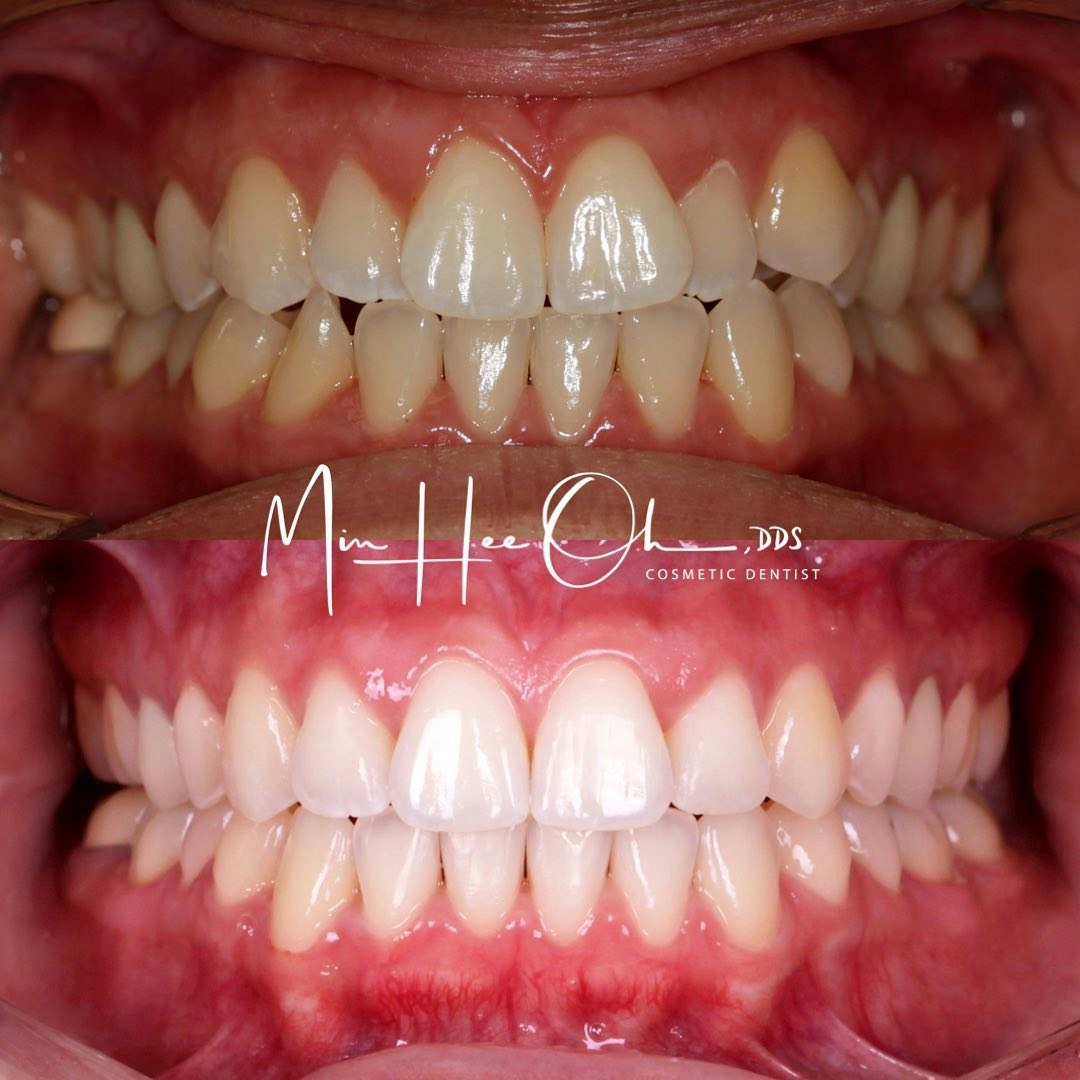
- Peroxide-based whitening can brighten many natural yellow-toned teeth. The concentration, timing, and fit should suit your enamel, sensitivity, and restorations.
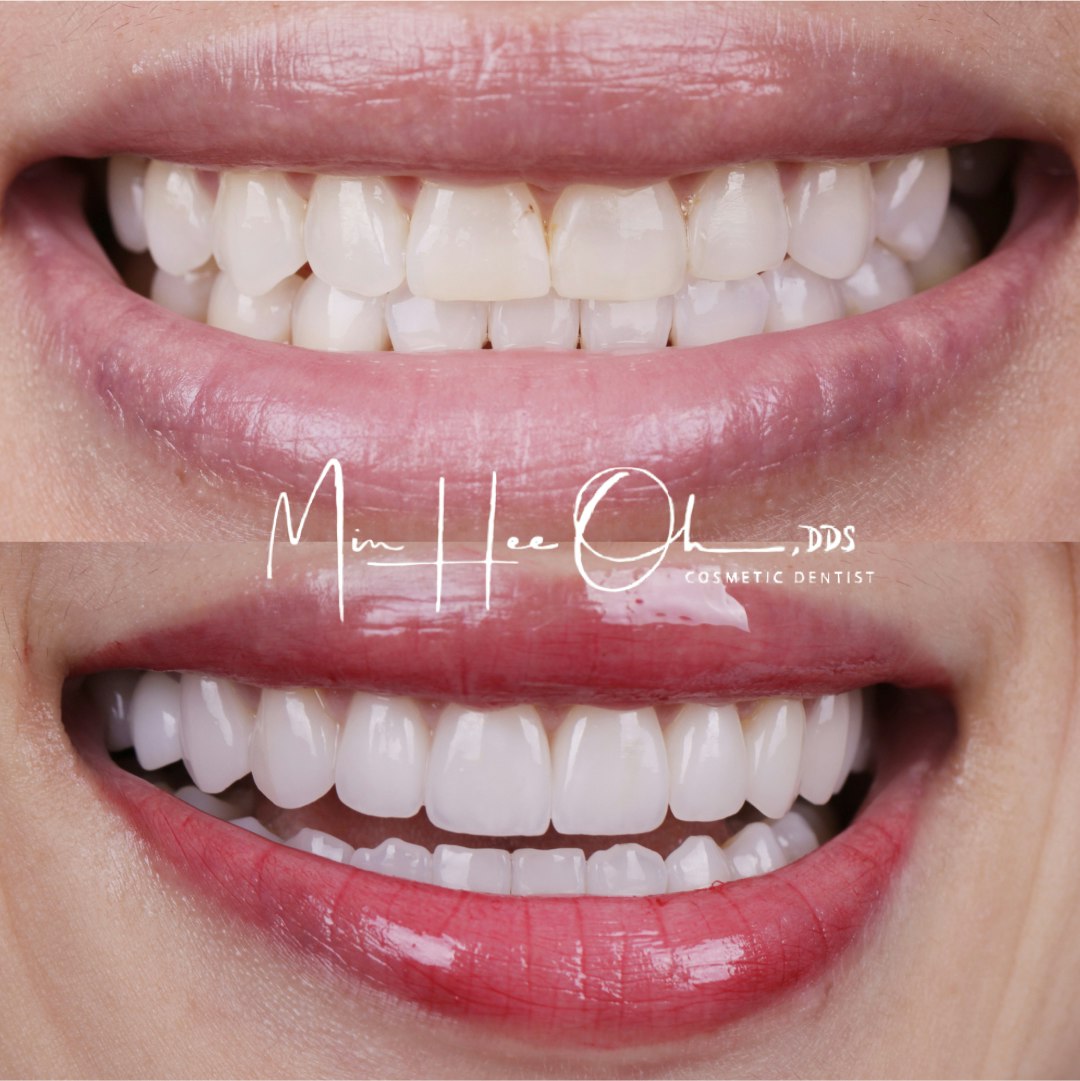
- Bonding or porcelain veneers may be considered when color does not respond predictably to whitening or when shape and proportion are also concerns. These are design decisions, not automatic next steps.
Whitening also has limits: fillings, bonding, crowns, and veneers do not bleach. If they are visible in your smile, sequencing matters. We usually establish the desired shade of the natural teeth first, then match any new restorations to that result.
Skip the harsh DIY shortcuts
Lemon juice, vinegar, charcoal powders, and aggressive baking-soda scrubs are often promoted as “natural” whiteners. Acid can soften enamel, while abrasive scrubs can wear it. The result may be more sensitivity and a yellower appearance as dentin becomes easier to see.
If you want to whiten at home, start with a dental exam and ask about products with established safety and effectiveness. Temporary sensitivity can occur with bleaching, so a plan can be adjusted rather than pushed through discomfort.
When yellow color deserves a closer look
Make an appointment if discoloration is sudden, limited to one tooth, follows an injury, or comes with pain, swelling, temperature sensitivity, bleeding gums, or a visible spot or cavity. Cosmetic treatment should never cover up a problem that first needs care.
The honest bottom line
Brushing every day is doing important work even if your teeth are not paper-white. It protects against plaque, decay, and gum inflammation — but it is not designed to change every kind of tooth color. The safest path is simple: identify the cause, protect the enamel you have, and choose the least invasive option that can realistically achieve your goal.